Blog
Blog & Πληροφορίες
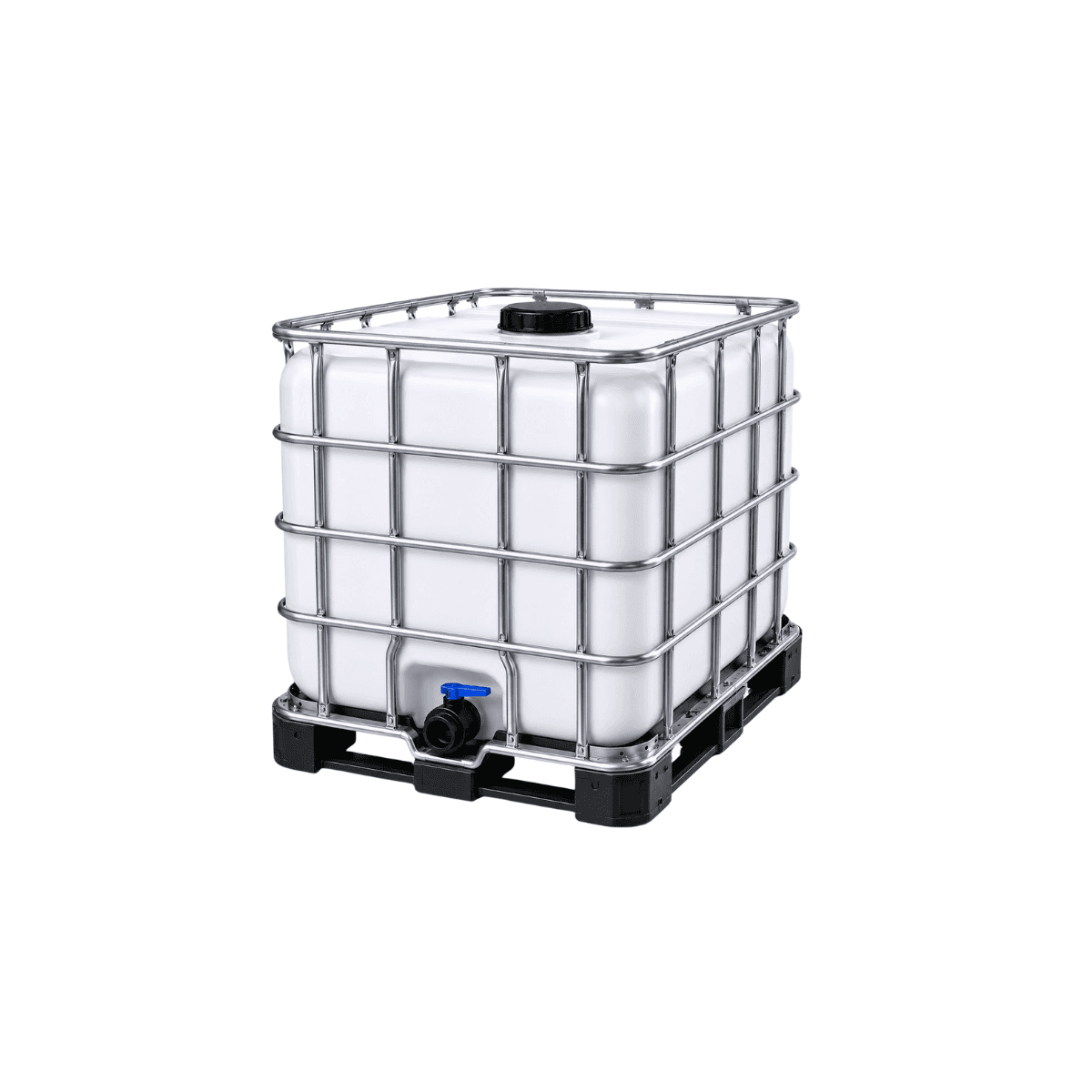
# Πιστοποίηση ΟΗΕ για Συσκευασίες Επικίνδυνων Χημικών: Τι Πρέπει να Γνωρίζουν οι Αγοραστές When sourcing packaging for hazardous chemicals, UN certification isn't just a regulatory checkbox—it's a critical safeguard that protects your supply chain, ensures legal compliance, and minimizes liability. For procurement managers and packaging engineers selecting containers for dangerous goods, understanding UN certification requirements is essential. ## What Is UN Certification? UN certification refers to packaging that meets the United Nations Recommendations on the Transport of Dangerous Goods. These internationally recognized standards ensure that containers can safely transport hazardous materials by road, rail, sea, and air without leaking, breaking, or causing accidents. The UN classification system divides dangerous goods into nine classes based on their hazard type—from explosives and flammable liquids to corrosives and toxic substances. Packaging must be tested and certified according to the specific packing group (I, II, or III) that corresponds to the material's danger level. ## Why UN Certification Matters for Chemical Buyers ### Legal Compliance Across Borders Transporting hazardous chemicals without proper UN-certified packaging violates international transport regulations including ADR (Europe), IMDG (maritime), and IATA (air). Non-compliance can result in: - Substantial fines and penalties - Shipment rejection at borders or ports - Legal liability in case of spills or accidents - Damage to corporate reputation ### Supply Chain Safety UN-certified containers undergo rigorous testing including drop tests, stack tests, and leak-proofing trials. This certification ensures your chemicals reach their destination safely, protecting workers, transportation personnel, and the environment. ### Insurance and Liability Protection Most insurance policies require UN-certified packaging for hazardous materials. Using non-certified containers can void coverage and expose your company to significant financial risk if an incident occurs during transport. ## Understanding UN Markings Every UN-certified container carries specific markings that provide critical information. Here's how to read them: **Example marking: UN 1H1/Y1.4/150/20/TR/ALT-001** - **UN** = Meets UN standards - **1H1** = Packaging type (1 = drum, H = plastic, 1 = non-removable head) - **Y** = Packing group (X = I, Y = II, Z = III) - **1.4** = Specific gravity of liquid tested - **150** = Maximum gross weight in kg - **20** = Year of manufacture - **TR** = Country code where certified - **ALT-001** = Manufacturer's identification Understanding these markings helps you verify that the packaging matches your chemical's requirements and packing group classification. ## Key Testing Standards UN-certified packaging must pass several standardized tests: ### Drop Test Containers are filled and dropped from specified heights onto a rigid surface to simulate handling accidents. The height varies by packing group—higher drop requirements for more dangerous substances. ### Stack Test Packaging must withstand stacking pressure for extended periods, simulating warehouse storage and transport conditions. ### Leak-Proofness Test Containers undergo pressure testing to ensure closures remain sealed during temperature changes and transport vibrations. ### Hydraulic Pressure Test (for rigid containers) Applies internal pressure to verify structural integrity under stress. ## Choosing the Right UN-Certified Packaging ### Match Packing Group to Hazard Level - **Packing Group I (X)**: High danger substances requiring maximum protection - **Packing Group II (Y)**: Medium danger—most industrial chemicals - **Packing Group III (Z)**: Lower danger materials Your chemical's Safety Data Sheet (SDS) specifies the correct packing group. Never use packaging certified for a lower protection level than your chemical requires. ### Consider Chemical Compatibility UN certification tests structural integrity, but you must separately verify chemical compatibility. HDPE, for example, resists many acids and bases but may not be suitable for certain solvents. Always cross-reference your chemical with the container material's compatibility chart. ### Size and Configuration UN certification applies to specific container configurations. Common certified formats include: - Drums (20L to 220L) - Jerry cans (5L to 25L) - IBC containers (up to 1,000L) - Smaller bottles and canisters Ensure the exact size and closure type you need carries the appropriate certification. ## Working with Certified Suppliers ### Verify Certification Documentation Request copies of UN test certificates from your packaging supplier. These should include: - Test laboratory name and accreditation - Specific tests performed and results - Packaging specifications tested - Validity period and batch numbers ### Consistency in Manufacturing UN certification applies to packaging manufactured to exact specifications. Any design change—even minor modifications to wall thickness or closure type—requires recertification. Work with suppliers who maintain strict quality control to ensure every container matches certified specifications. ### Traceability Reliable suppliers provide full traceability, linking each container batch to specific test certificates. This documentation proves compliance during audits and in case of incidents. ## Common Compliance Mistakes to Avoid ### Using Expired Certifications UN certifications have limited validity periods. Verify that containers are manufactured and marked within the certification timeframe. ### Mixing Packing Groups Never assume a container certified for Packing Group III can safely transport Group II or I materials. Always use packaging certified for your chemical's specific classification. ### Ignoring Closure Requirements The closure (cap) is integral to UN certification. Replacing certified closures with non-certified alternatives invalidates the certification and creates serious safety risks. ### Overlooking Compatibility Testing UN certification doesn't guarantee chemical compatibility. Separately verify that your specific chemical won't degrade or react with the container material over your intended storage and transport duration. ## Regional Regulatory Considerations While UN standards are international, specific regions may have additional requirements: ### European Union (ADR) Requires UN certification plus compliance with EU-specific regulations for road transport of dangerous goods. ### United States (DOT) The Department of Transportation recognizes UN standards but may require additional testing or documentation for certain chemical classes. ### Middle East and Africa Varying levels of enforcement, but major ports and international logistics providers universally require UN certification for hazardous materials. ## Cost Considerations UN-certified packaging typically costs 15-30% more than non-certified alternatives. However, this cost is negligible compared to: - Potential fines (often €5,000-€50,000 per violation) - Shipment delays and rejections - Cleanup costs from spills or accidents - Liability exposure and insurance implications For any company regularly shipping hazardous chemicals, UN-certified packaging is a cost-effective risk management investment. ## Documentation and Record-Keeping Maintain comprehensive records of: - UN certification documents for all packaging types used - Chemical compatibility verification - Supplier quality certificates - Training records for staff handling dangerous goods packaging - Incident reports and corrective actions These records demonstrate due diligence during audits and provide legal protection in case of transport incidents. ## Future Trends in UN Certification ### Digitalization QR codes and RFID tags are increasingly used to link physical containers to digital certification records, streamlining verification and traceability. ### Sustainability Integration New testing protocols are being developed for recycled-content packaging, allowing environmentally conscious buyers to use sustainable materials without compromising UN compliance. ### Enhanced Testing for Emerging Chemicals As new chemical formulations enter the market, testing protocols continue evolving to address novel hazard profiles. ## Making the Right Sourcing Decision When evaluating UN-certified packaging suppliers, prioritize: 1. **Certification breadth**: Can they supply packaging for all your packing group requirements? 2. **Technical support**: Do they provide guidance on selecting appropriate packaging for specific chemicals? 3. **Quality consistency**: What quality control processes ensure every container meets certified specifications? 4. **Documentation**: How comprehensive and accessible is their certification documentation? 5. **Regulatory knowledge**: Can they advise on region-specific compliance requirements? ## Conclusion UN certification for hazardous chemical packaging is non-negotiable for companies committed to safety, compliance, and operational excellence. Understanding certification requirements, reading UN markings correctly, and working with reliable certified suppliers protects your business from regulatory penalties while ensuring chemicals reach their destination safely. The investment in properly certified packaging pays for itself many times over through risk mitigation, regulatory compliance, and supply chain reliability. For procurement managers sourcing chemical packaging, UN certification should be the foundation of any supplier evaluation—not an afterthought. --- **Need UN-certified packaging for your hazardous chemicals?** Alternaplast provides a comprehensive range of UN-certified HDPE containers including drums, jerry cans, and IBCs for Packing Groups I, II, and III. Our technical team can help you select the right certified packaging for your specific chemical transport requirements.
Όταν μια χημική ουσία ταξινομείται ως επικίνδυνο εμπόρευμα, το δοχείο στο οποίο μεταφέρεται δεν αποτελεί απόφαση αγοράς — είναι κανονιστική απαίτηση. Ο παρών οδηγός εξηγεί τι καλύπτει η πιστοποίηση ΟΗΕ, πώς να διαβάζετε τις σημάνσεις σε ένα δοχείο και τι να ρωτάτε τον προμηθευτή σας για να διασφαλίσετε ότι η συσκευασία σας είναι πραγματικά σύμμορφη — όχι απλώς φυσικά επαρκής.
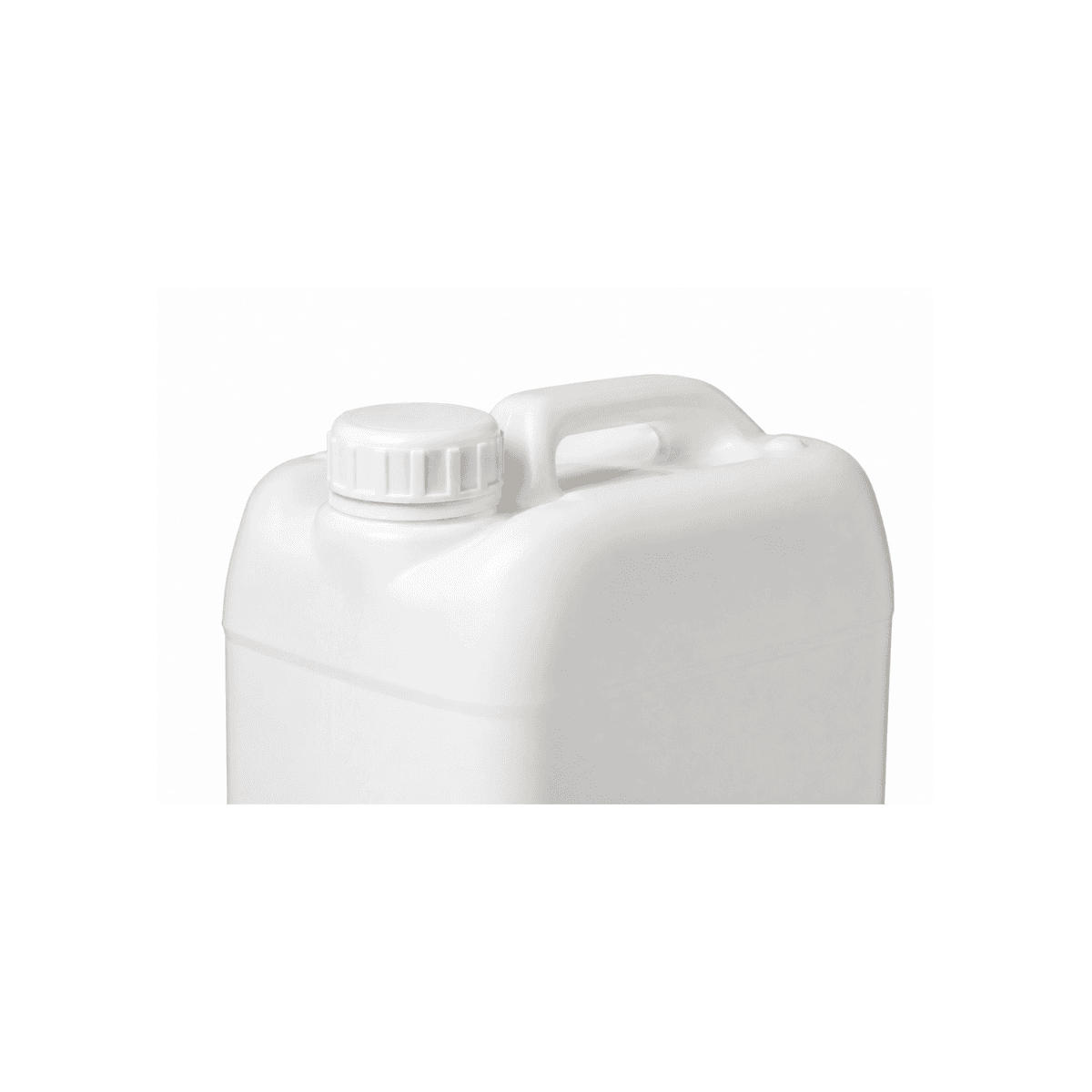
# Συσκευασία Οξέων και Αλκαλίων: Επιλογή του Κατάλληλου Δοχείου HDPE για Διαβρωτικά Χημικά
Τα οξέα και τα αλκάλια συγκαταλέγονται στις πιο απαιτητικές χημικές ουσίες όταν οι προδιαγραφές του δοχείου δεν είναι σωστές. Η αστοχία είναι αργή και αόρατη — ρωγμάτωση υπό τάση, μαλάκωμα τοιχωμάτων, υποβάθμιση στεγανοποίησης — μέχρι να καταστήσει μια διαρροή ή ένα δομικά εξασθενημένο δοχείο αδύνατη την αγνόησή τους. Ο παρών οδηγός καλύπτει την πρακτική επιλογή δοχείων για HCl, θειικό οξύ, νιτρικό οξύ, καυστική σόδα και διαλύματα αμμωνίας.
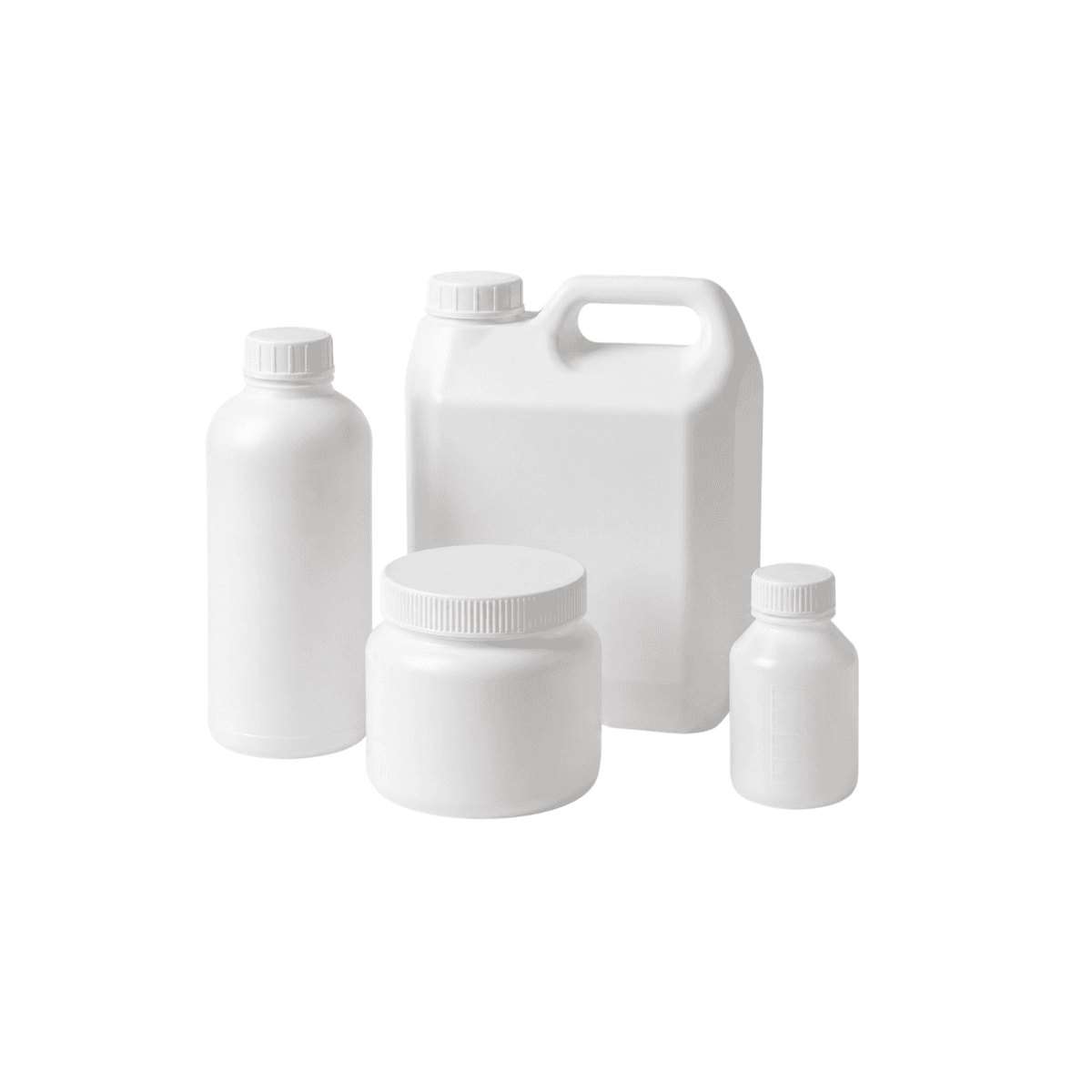
HDPE vs. Other Plastics: A Material Selection Guide for Industrial Chemical Packaging HDPE έναντι άλλων πλαστικών: Ένας Οδηγός Επιλογής Υλικού για τη Συσκευασία Βιομηχανικών Χημικών
Το πλαστικό δεν είναι ένα μόνο υλικό. Το HDPE, PP, LDPE και PVC έχουν καθένα διαφορετικά προφίλ χημικής αντίστασης, μηχανικές ιδιότητες και όρια θερμοκρασίας — και η επιλογή του λάθος υλικού για μια δεδομένη χημική εφαρμογή οδηγεί σε αστοχία του δοχείου που είναι αργή, αόρατη και ανακαλύπτεται στη χειρότερη δυνατή στιγμή. Αυτός ο οδηγός καλύπτει τη πρακτική λογική επιλογής για τη βιομηχανική χημική συσκευασία.
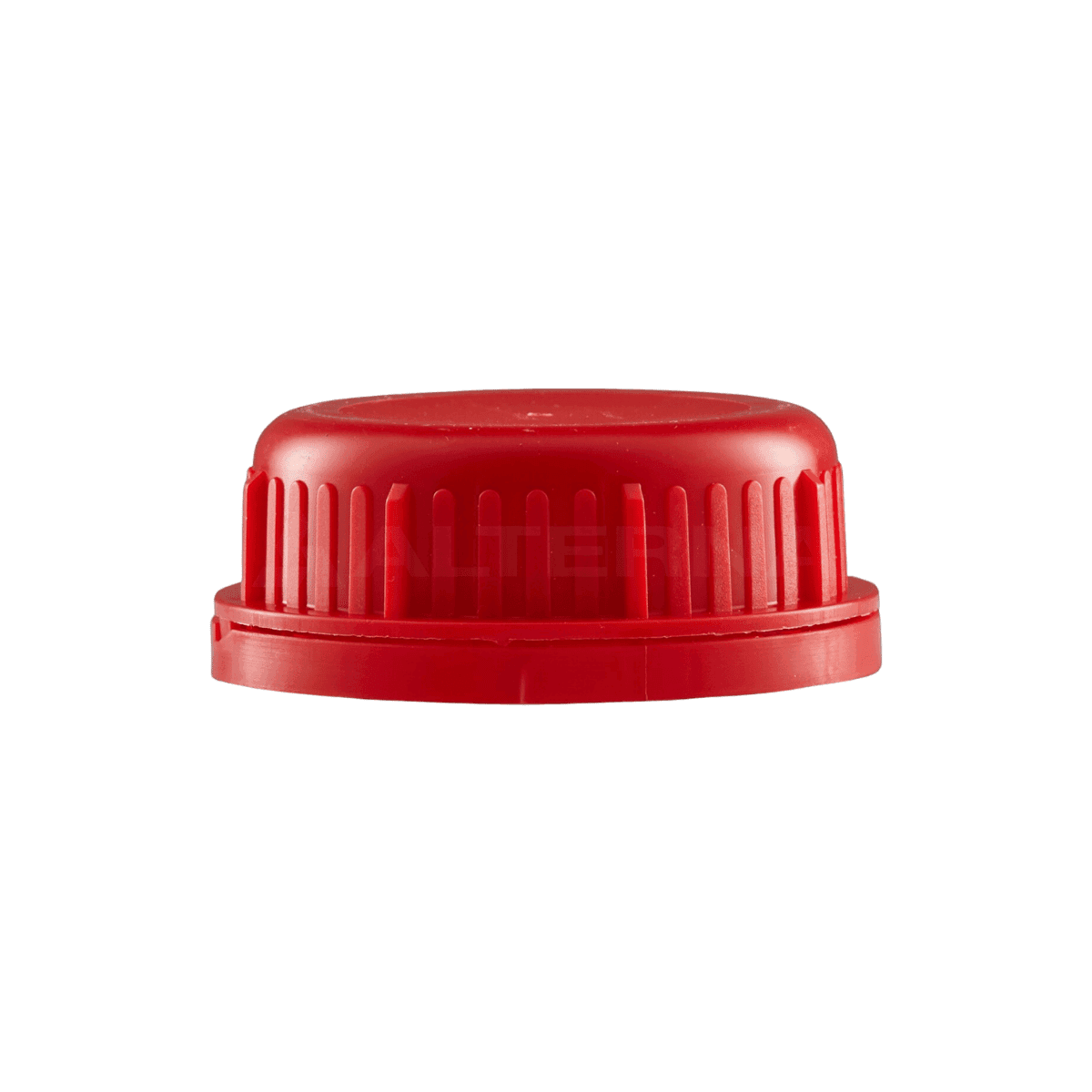
Συνδυασμός Εξαερισμού με Αποδείξεις Παραβίασης: Τι Πρέπει να Γνωρίζουν τα Σήματα Γεωργικών Χημικών
Η εξαέρωση και η ενδεικτική παραβίασης φαίνονται να τραβούν προς αντίθετες κατευθύνσεις — η μία απαιτεί ένα άνοιγμα στο κλείστρο, η άλλη απαιτεί ένα ακέραιο σφράγισμα. Στην πράξη, λειτουργούν μέσω εντελώς ξεχωριστών μηχανισμών και συνδυάζονται συνήθως σε ένα ενιαίο κλείστρο αγροχημικών. Αυτό το άρθρο εξηγεί πώς λειτουργούν μαζί και πώς μοιάζει μια πλήρης προδιαγραφή κλείστρου.
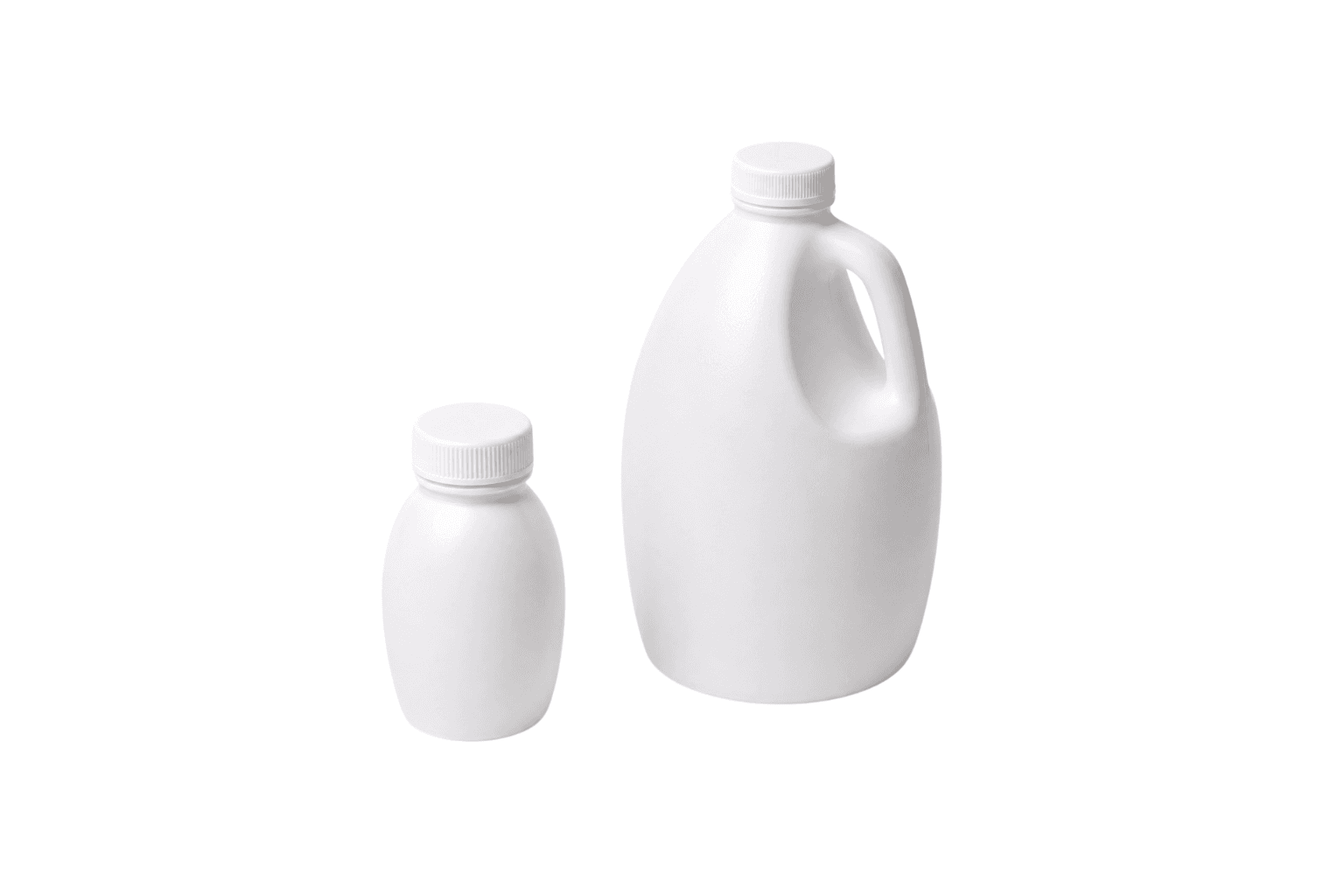
Κατανοώντας την Εκπομπή Χημικών Αερίων και Γιατί Απαιτεί Αεριζόμενη Συσκευασία
Η αποέκλυση αερίων είναι προβλέψιμη — αλλά μόνο αν γνωρίζετε ποιοι τύποι διατάξεων παράγουν αέριο, υπό ποιες συνθήκες, και πώς φαίνονται τα προειδοποιητικά σημάδια στο πεδίο. Αυτός ο οδηγός καλύπτει τις κατηγορίες διατάξεων αγροχημικών που είναι πιο επιρρεπείς σε συσσώρευση πίεσης, πώς οι συνθήκες αποθήκευσης και μεταφοράς την επιταχύνουν, και πώς να προδιαγράψετε συσκευασία που τη διαχειρίζεται από την αρχή.
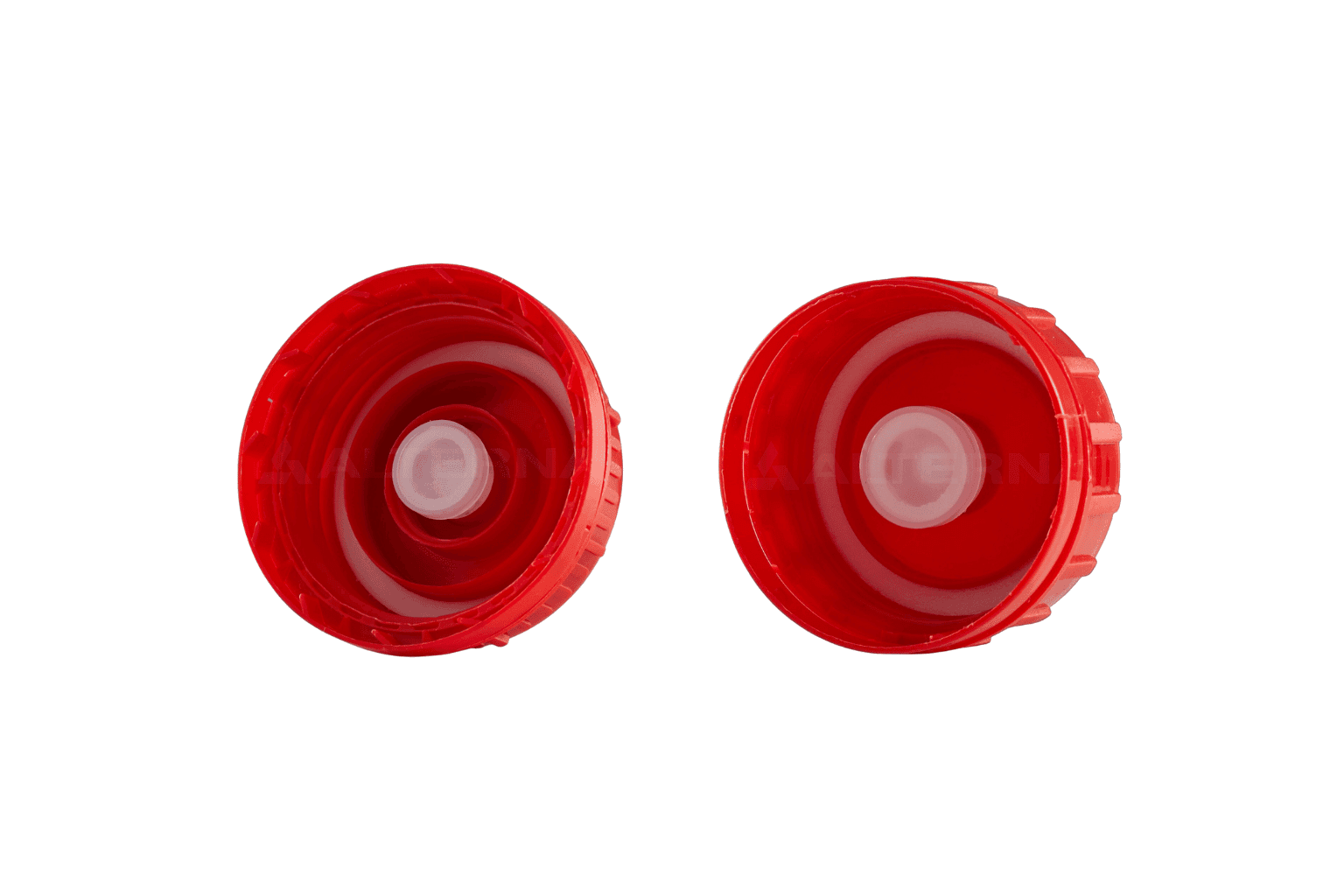
Πώς να Καθορίσετε ένα Εξαεριζόμενο Κάλυμμα: Ρυθμός Ροής, Πίεση Εξαερισμού και Επιλογή Μεμβράνης
Ένα αεριζόμενο καπάκι δεν είναι ένα μόνο προϊόν — είναι μια κατηγορία με σημαντικές διακυμάνσεις στην απόδοση. Η πίεση ανοίγματος εξαερισμού, ο ρυθμός ροής και το υλικό της μεμβράνης επηρεάζουν όλα τη συμπεριφορά ενός καπακιού με τη συγκεκριμένη σύνθεσή σας. Αυτός ο οδηγός εξηγεί τι σημαίνει κάθε παράμετρος και πώς να μετατρέψετε τις απαιτήσεις της εφαρμογής σας σε προδιαγραφές καπακιού.
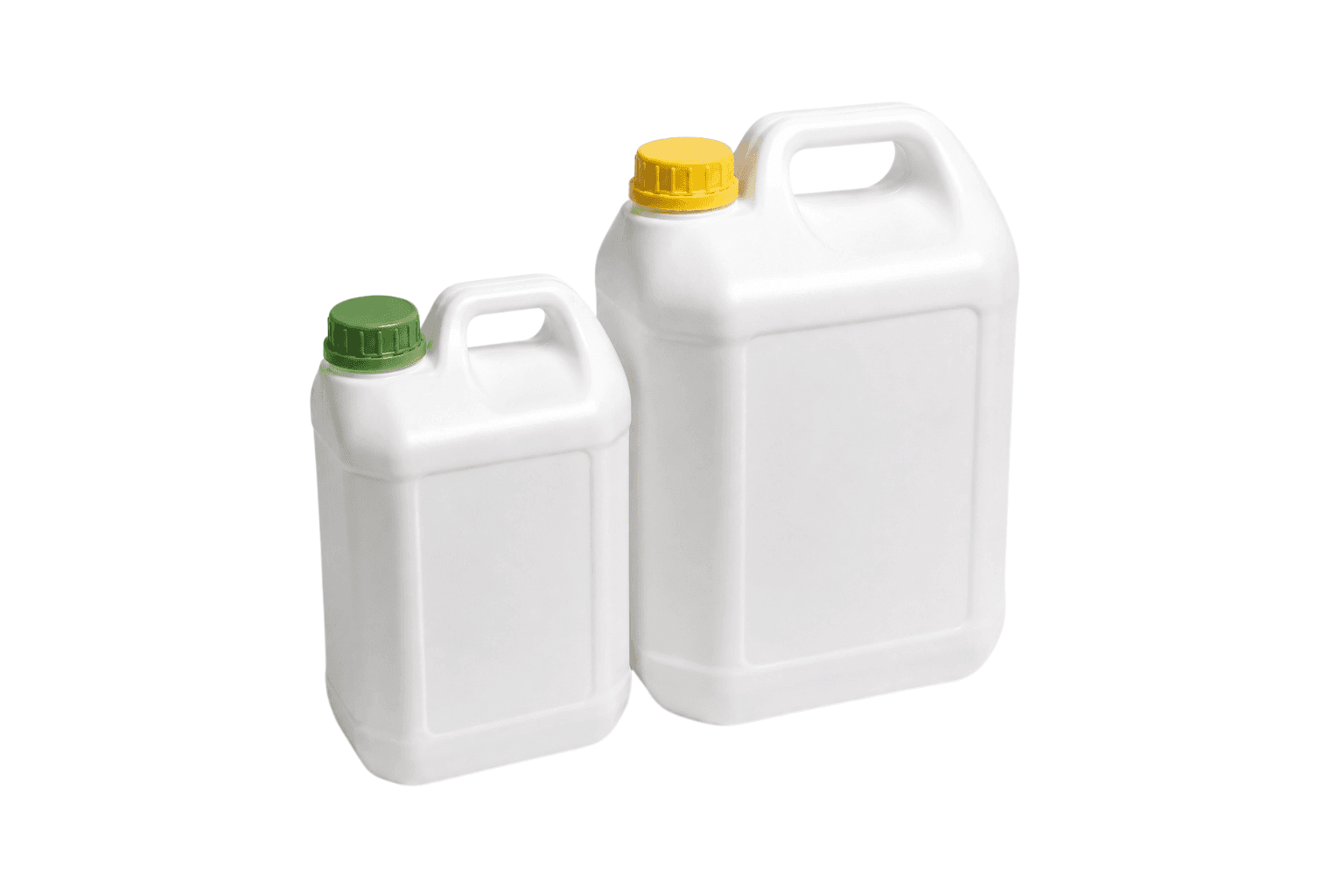
Αεριζόμενα Δοχεία HDPE Jerry για Αγροχημικά: Σχεδιασμός, Επιλογή και Συμμόρφωση
Η προδιαγραφή ενός αεριζόμενου δοχείου Jerry για χρήση σε γεωργικές χημικές ουσίες περιλαμβάνει περισσότερα από τη τοποθέτηση μιας μεμβράνης αερισμού σε ένα τυπικό κλείστρο. Ο όγκος του χώρου κεφαλής, η διάμετρος του καπακιού, η γεωμετρία του σώματος, το πάχος του τοιχώματος και το γραμμάριο επηρεάζουν τον τρόπο με τον οποίο ένα δοχείο μεγάλης χωρητικότητας λειτουργεί υπό πίεση. Αυτός ο οδηγός καλύπτει τις αποφάσεις σχεδιασμού και επιλογής που έχουν σημασία σε 5 L και άνω.
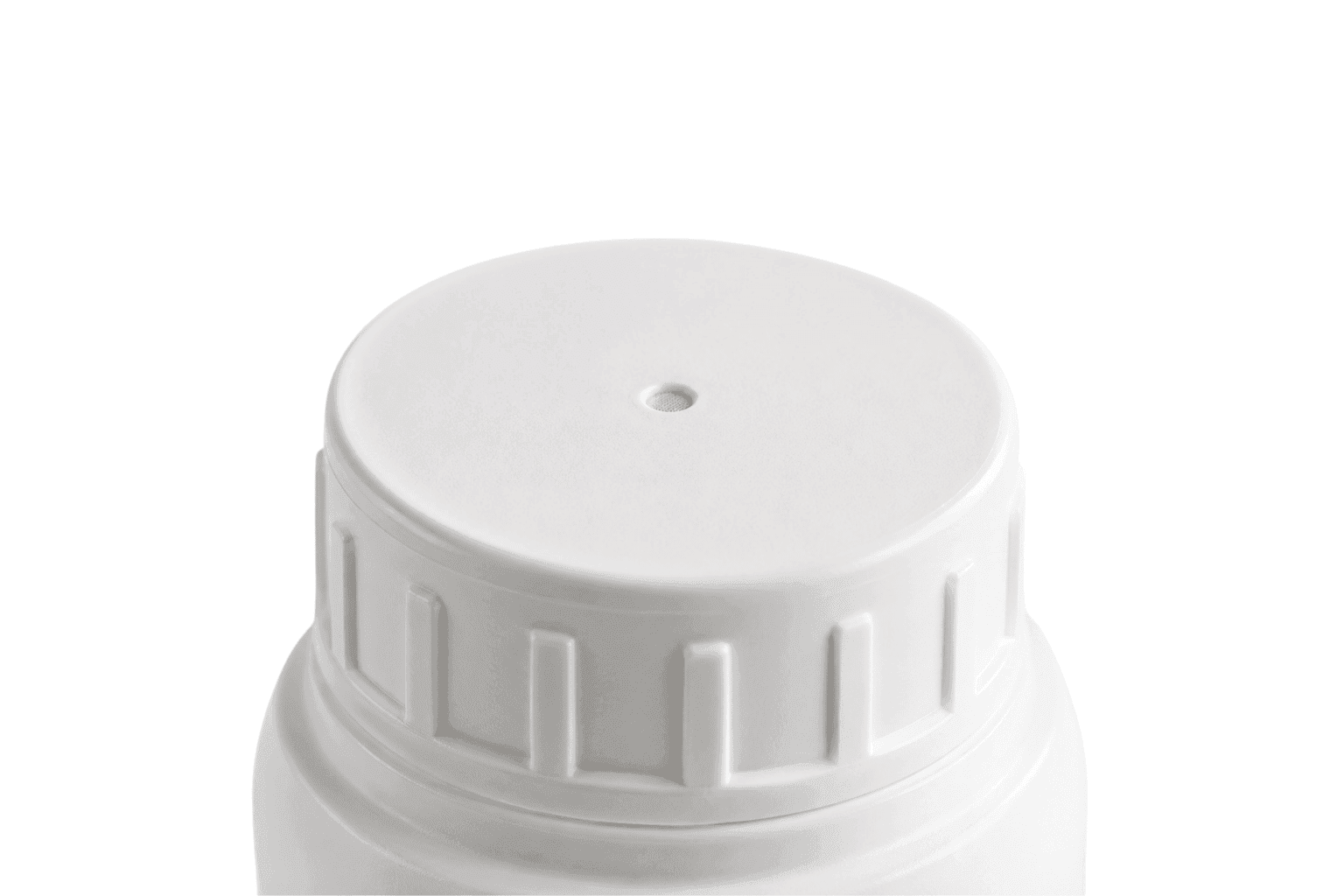
Γιατί Τα Δοχεία Φυτοφαρμάκων Συσσωρεύουν Πίεση — και Πώς Τα Αεριζόμενα Καπάκια Το Επιλύουν;
Η συσσώρευση πίεσης στο εσωτερικό των δοχείων φυτοφαρμάκων ακολουθεί προβλέψιμη χημεία — τάση ατμών, θερμοκρασία, αποεκπνοή αερίων. Η κατανόηση των μηχανισμών καθιστά δυνατή την επιλογή συσκευασίας που διαχειρίζεται το πρόβλημα αξιόπιστα, αντί να το ανακαλύπτετε μέσω καταγγελίας πεδίου.
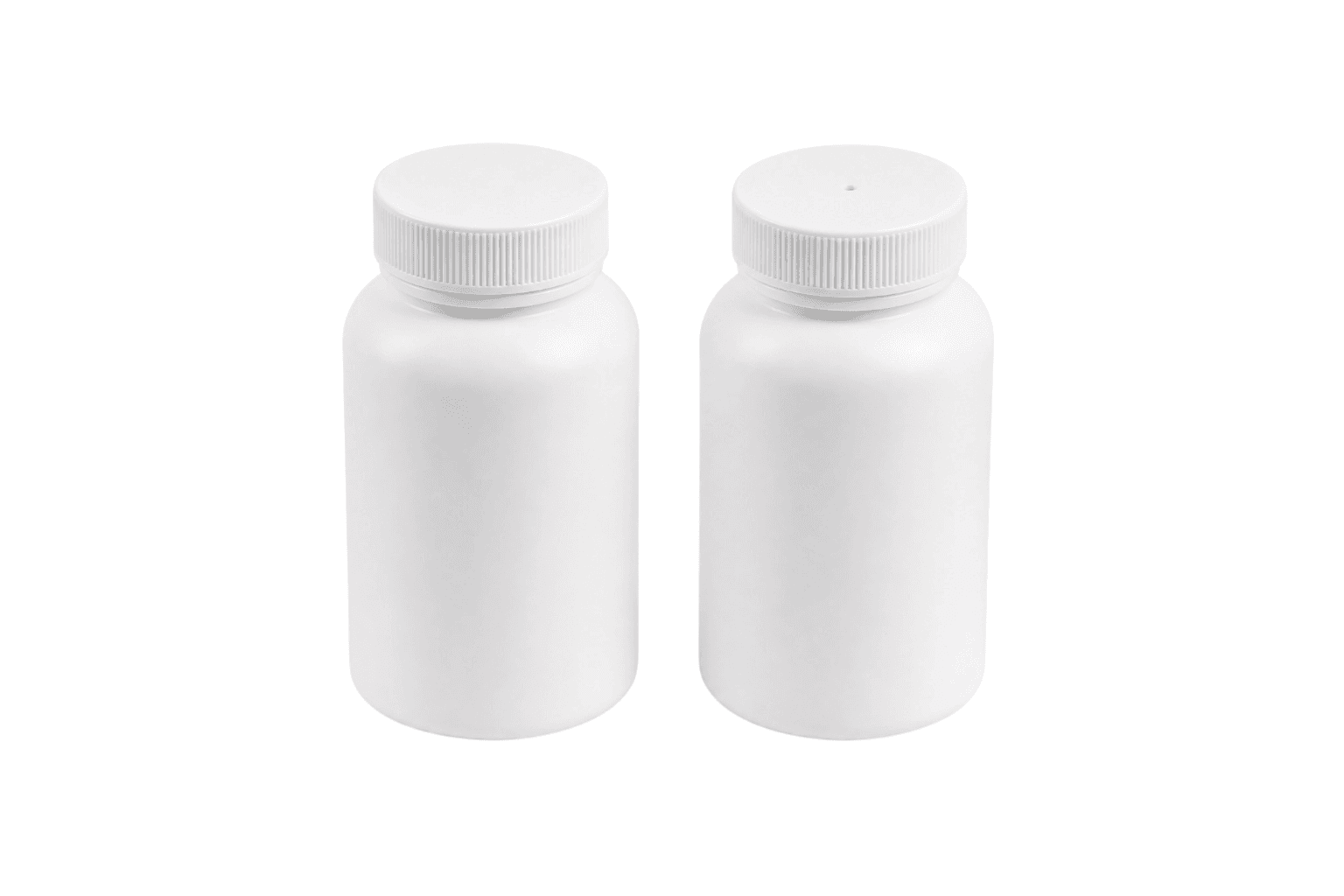
Καπάκια με Αερισμό έναντι Καπακίων χωρίς Αερισμό: Πότε το Δοχείο Αγροχημικών σας Χρειάζεται Αερισμό;
Όχι όλες οι αγροχημικές συνθέσεις συμπεριφέρονται το ίδιο κατά την αποθήκευση. Ορισμένες παράγουν αέριο — και ένα τυπικό σφραγισμένο καπάκι δεν έχει πού να το απελευθερώσει. Αυτός ο οδηγός εξηγεί πότε ένα αεριζόμενο κλείσιμο είναι απαραίτητο, πότε δεν είναι απαραίτητο, και πώς να πάρετε τη σωστή απόφαση στο στάδιο του προσδιορισμού.
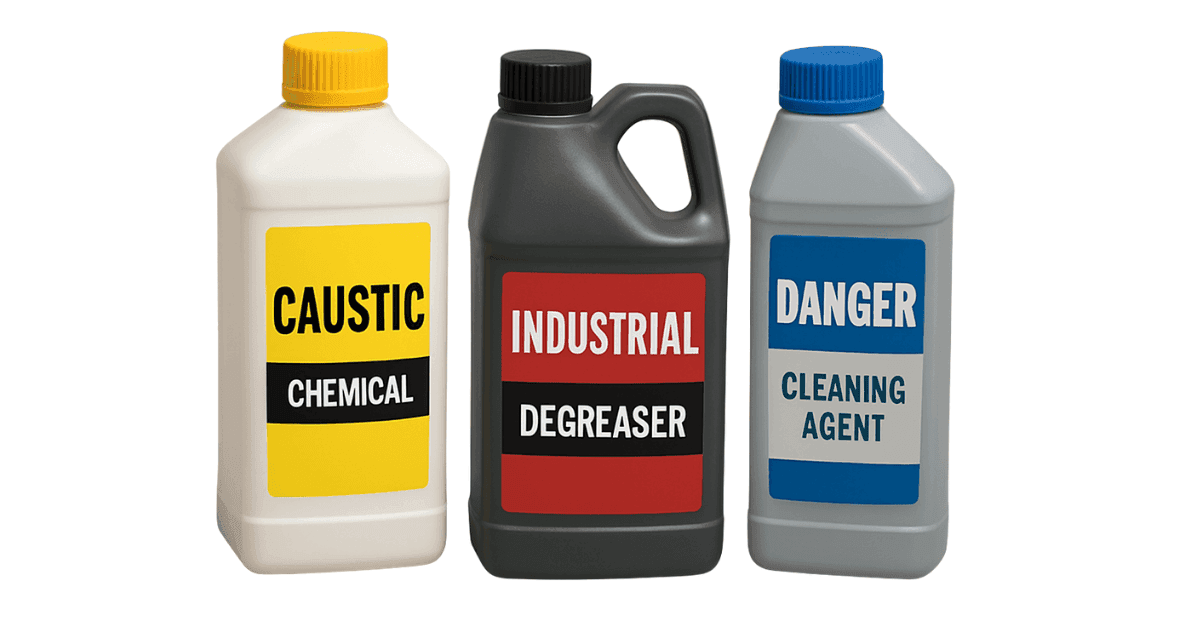
Πώς να Επιλέξετε το Σωστό Πλαστικό Μπουκάλι για Βιομηχανικά Υγρά
Η επιλογή του σωστού πλαστικού μπουκαλιού για βιομηχανικά υγρά απαιτεί προσεκτική αξιολόγηση της συμβατότητας υλικού, της μηχανικής αντοχής, των συστημάτων σφράγισης και των συνθηκών λειτουργίας. Αυτός ο οδηγός περιγράφει τους βασικούς παράγοντες που θα πρέπει να λάβουν υπόψη οι βιομηχανικοί αγοραστές.
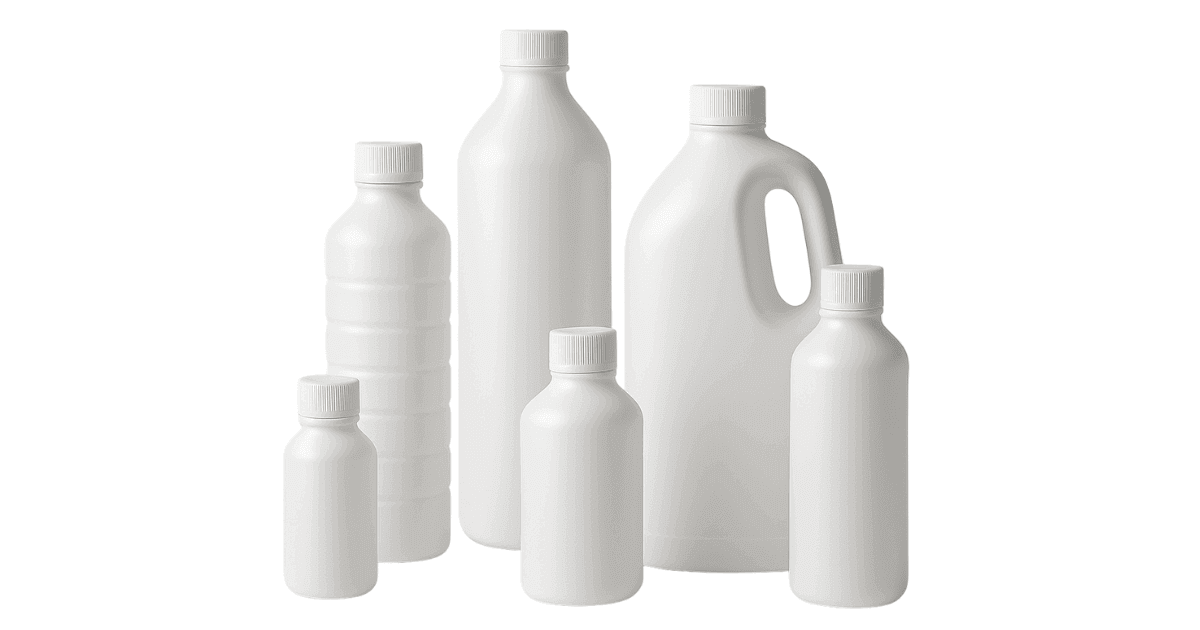
Πλαστικά Μπουκάλια Ανθεκτικά στα Χημικά: Κύρια Κριτήρια Επιλογής για Βιομηχανικές Εφαρμογές
Τα χημικά ανθεκτικά πλαστικά μπουκάλια διαδραματίζουν κρίσιμο ρόλο στη βιομηχανική συσκευασία εξασφαλίζοντας ασφαλή αποθήκευση και μεταφορά επιθετικών συνθέσεων. Το παρόν άρθρο παρουσιάζει τα βασικά κριτήρια επιλογής που θα πρέπει να λάβουν υπόψη οι αγοραστές για αξιόπιστη χημική συσκευασία.
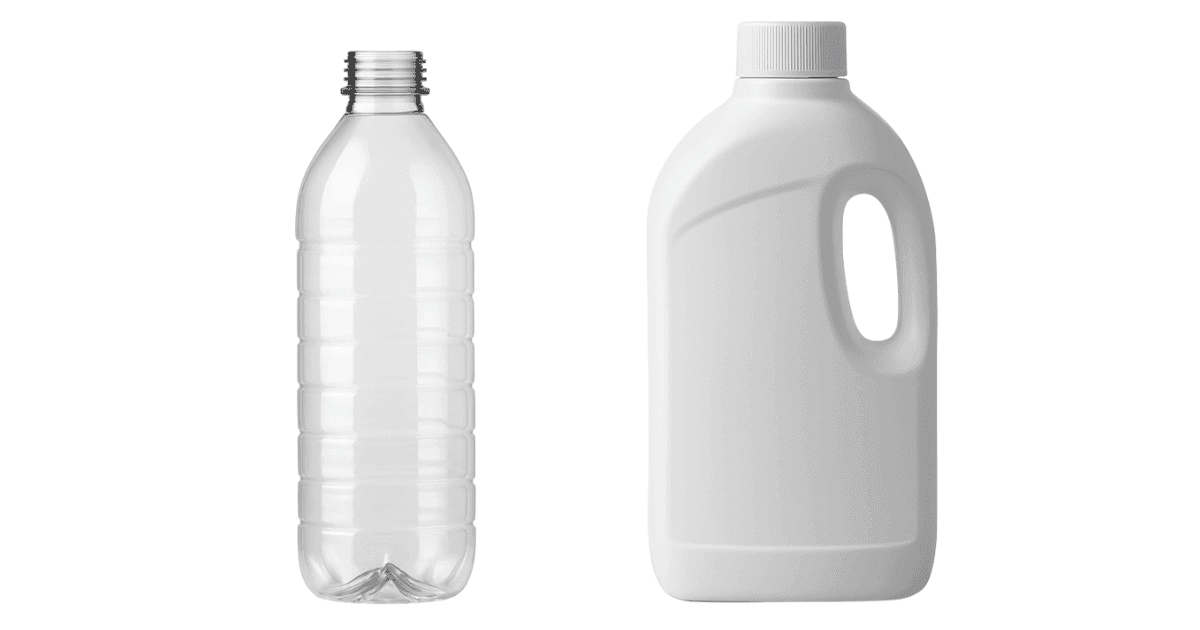
PET vs HDPE Φιάλες: Ποια Είναι Καλύτερη για Χημική Συσκευασία;
Οι φιάλες PET και HDPE χρησιμοποιούνται ευρέως στη χημική συσκευασία, αλλά διαφέρουν σημαντικά ως προς τη χημική αντοχή, την ανθεκτικότητα και την ασφάλεια. Αυτό το άρθρο συγκρίνει τα δύο υλικά, βοηθώντας τους βιομηχανικούς αγοραστές να επιλέξουν τη σωστή λύση συσκευασίας.

Φιάλες HDPE: Εφαρμογές, Πλεονεκτήματα και Βιομηχανικές Περιπτώσεις Χρήσης
Οι φιάλες HDPE χρησιμοποιούνται ευρέως στη βιομηχανική συσκευασία χάρη στη χημική τους αντοχή, την ανθεκτικότητα και την αποδοτικότητα κόστους. Το παρόν άρθρο εξετάζει τις βασικές εφαρμογές, τα πλεονεκτήματα και τις περιπτώσεις χρήσης στους τομείς της χημικής βιομηχανίας, της αυτοκινητοβιομηχανίας, της γεωργίας και της βιομηχανίας γενικότερα.