Blog
Blog & Insights
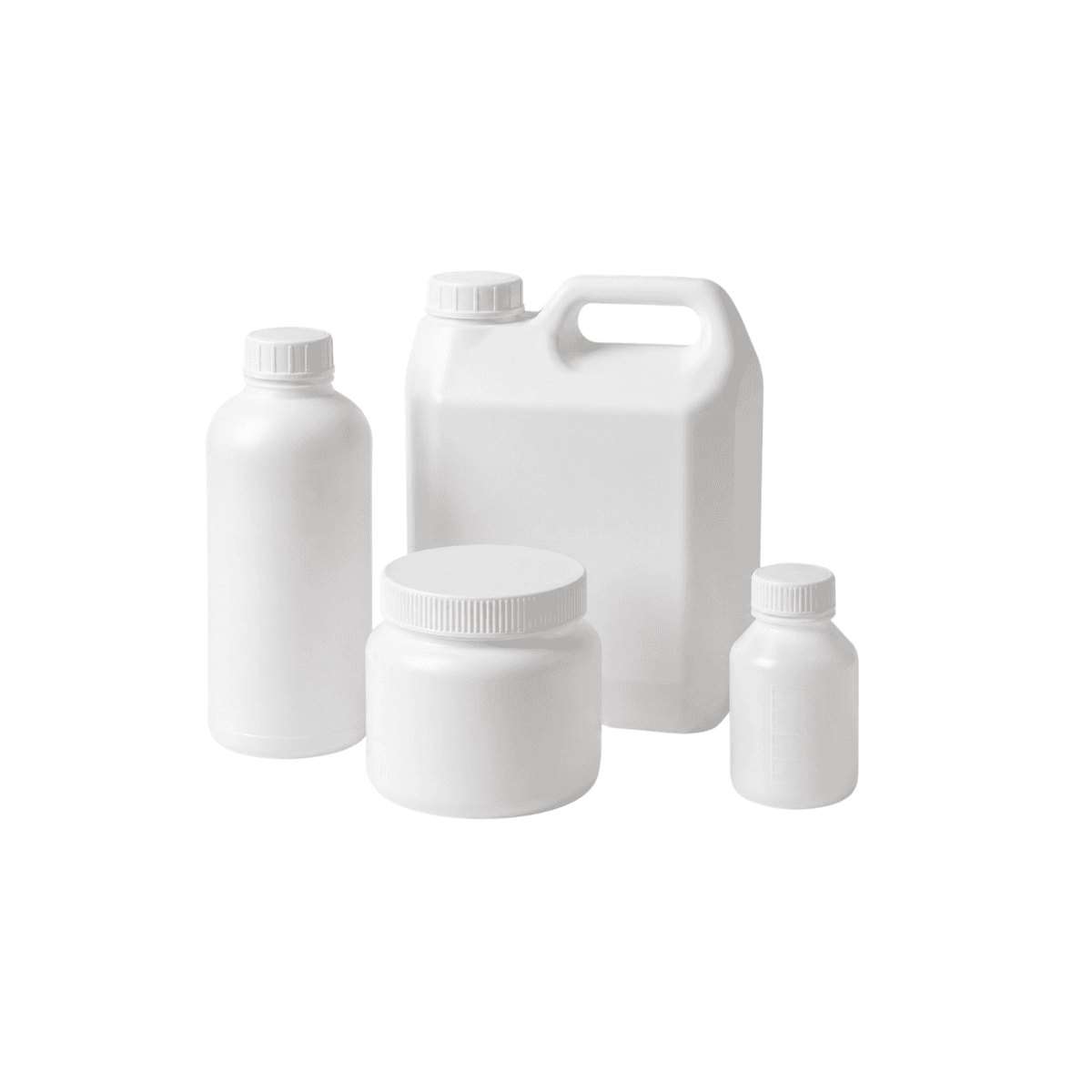
HDPE vs. Other Plastics: A Material Selection Guide for Industrial Chemical Packaging
Plastic is not a single material. HDPE, PP, LDPE, and PVC each have different chemical resistance profiles, mechanical properties, and temperature limits — and selecting the wrong one for a given chemical application leads to container failure that is slow, invisible, and discovered at the worst possible moment. This guide covers the practical selection logic for industrial chemical packaging.

Combining Venting with Tamper-Evidence: What Agrochemical Brands Need to Know
Venting and tamper-evidence seem to pull in opposite directions — one requires an opening in the closure, the other requires an unbroken seal. In practice, they operate through entirely separate mechanisms and are routinely combined in a single agrochemical closure. This article explains how they work together and what a complete closure specification looks like.
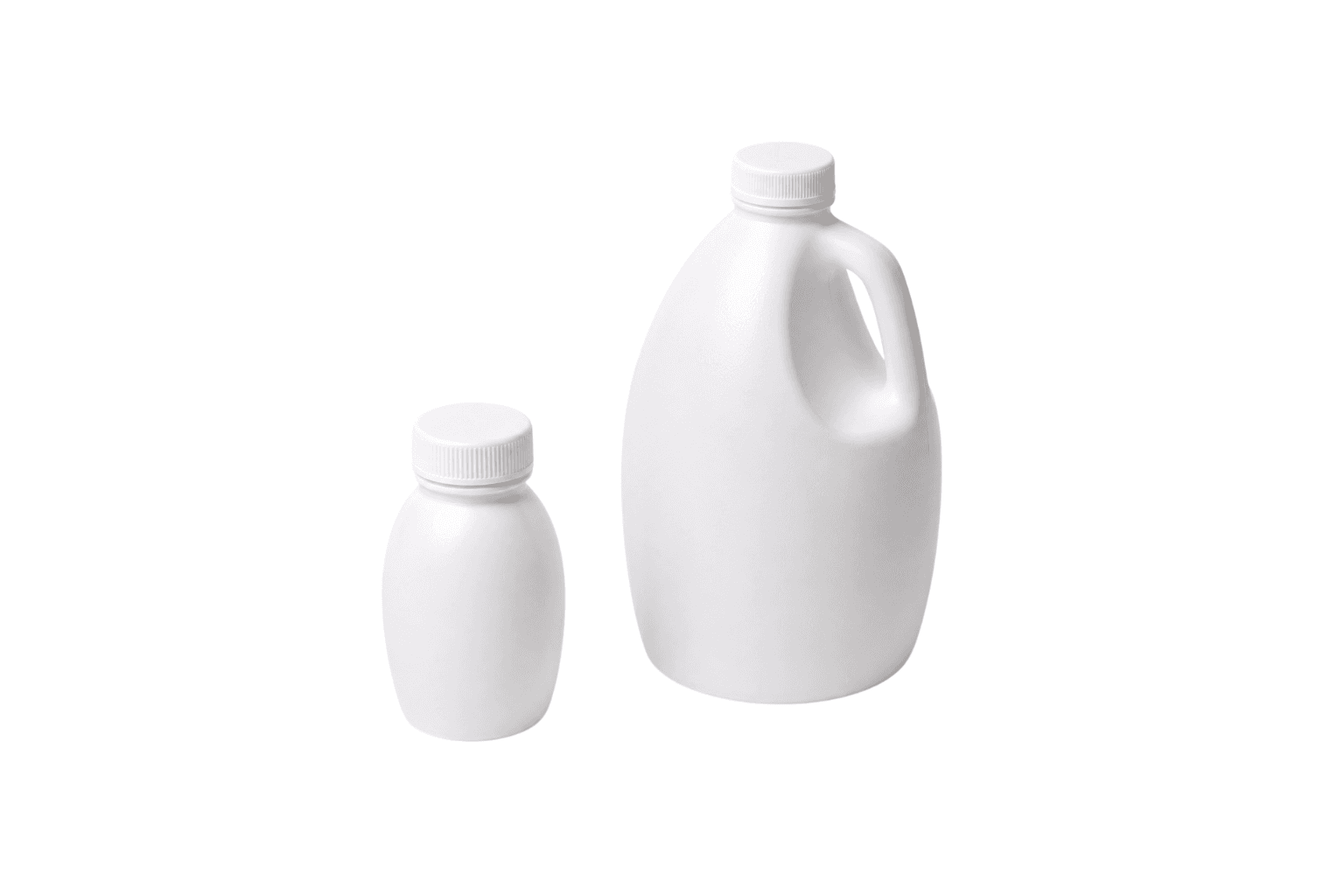
Understanding Chemical Off-Gassing and Why It Demands Vented Packaging
Off-gassing is predictable — but only if you know which formulation types generate gas, under what conditions, and what the warning signs look like in the field. This guide covers the agrochemical formulation categories most prone to pressure buildup, how storage and transport conditions accelerate it, and how to specify packaging that manages it from the outset.

How to Specify a Vented Closure: Flow Rate, Venting Pressure, and Membrane Selection
A vented closure is not a single product — it is a category with meaningful variation in performance. Venting pressure threshold, flow rate, and membrane material all affect how a closure behaves with your specific formulation. This guide explains what each parameter means and how to translate your application requirements into a closure specification.
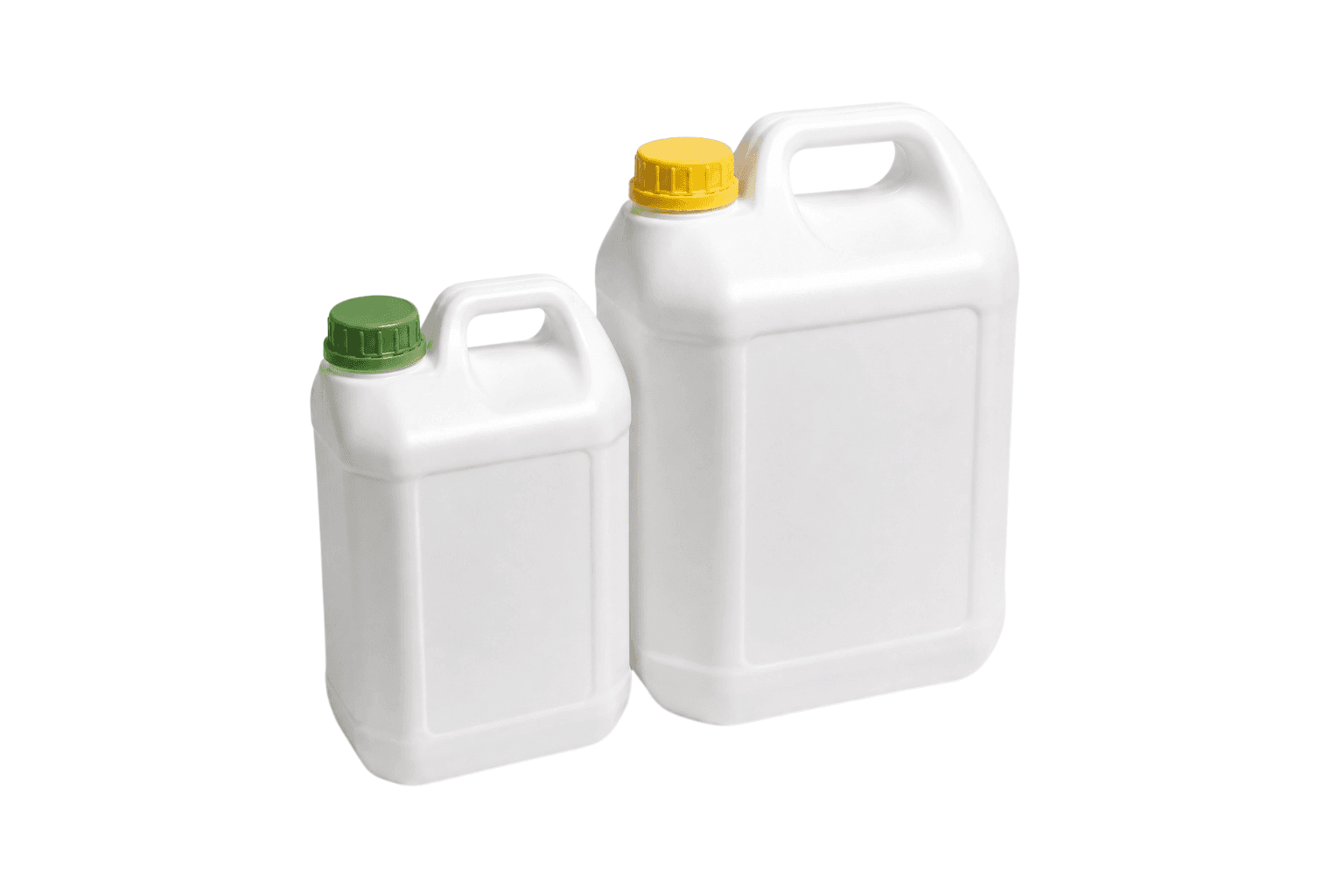
Vented HDPE Jerry Cans for Agrochemicals: Design, Selection, and Compliance
Specifying a vented jerry can for agrochemical use involves more than fitting a vent membrane to a standard closure. Headspace volume, cap diameter, body geometry, wall thickness, and gramage all affect how a large-format container performs under pressure. This guide covers the design and selection decisions that matter at 5 L and above.

Why Do Pesticide Containers Build Up Pressure — and How Vented Closures Solve It?
Pressure buildup inside pesticide containers follows predictable chemistry — vapour pressure, temperature, off-gassing. Understanding the mechanisms makes it possible to select packaging that manages the problem reliably, rather than discovering it in a field complaint.
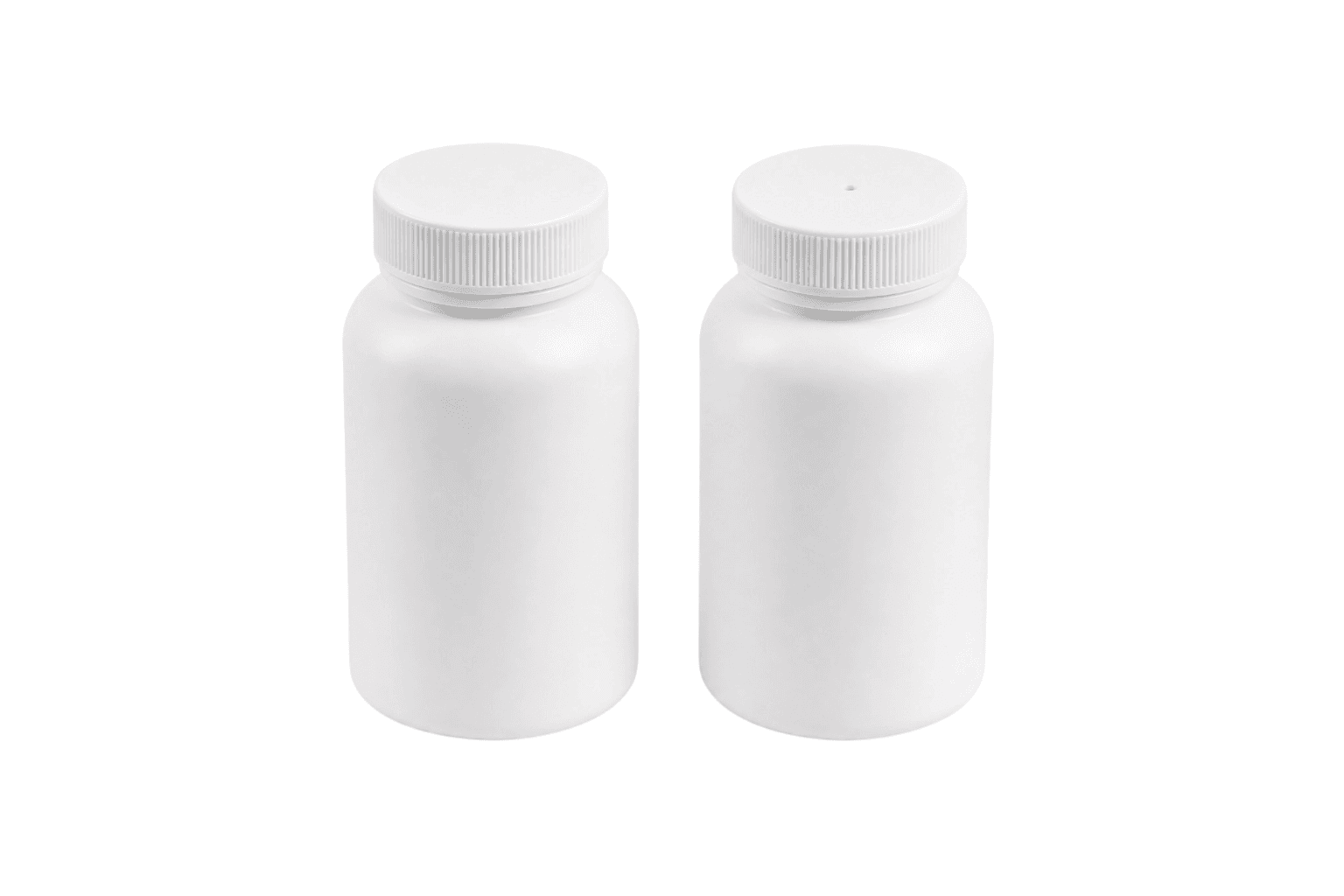
Vented vs. Non-Vented Caps: When Does Your Agrochemical Container Need a Vent?
Not all agrochemical formulations behave the same in storage. Some generate gas — and a standard sealed cap has nowhere to send it. This guide explains when a vented closure is essential, when it isn't, and how to make the right call at the specification stage.
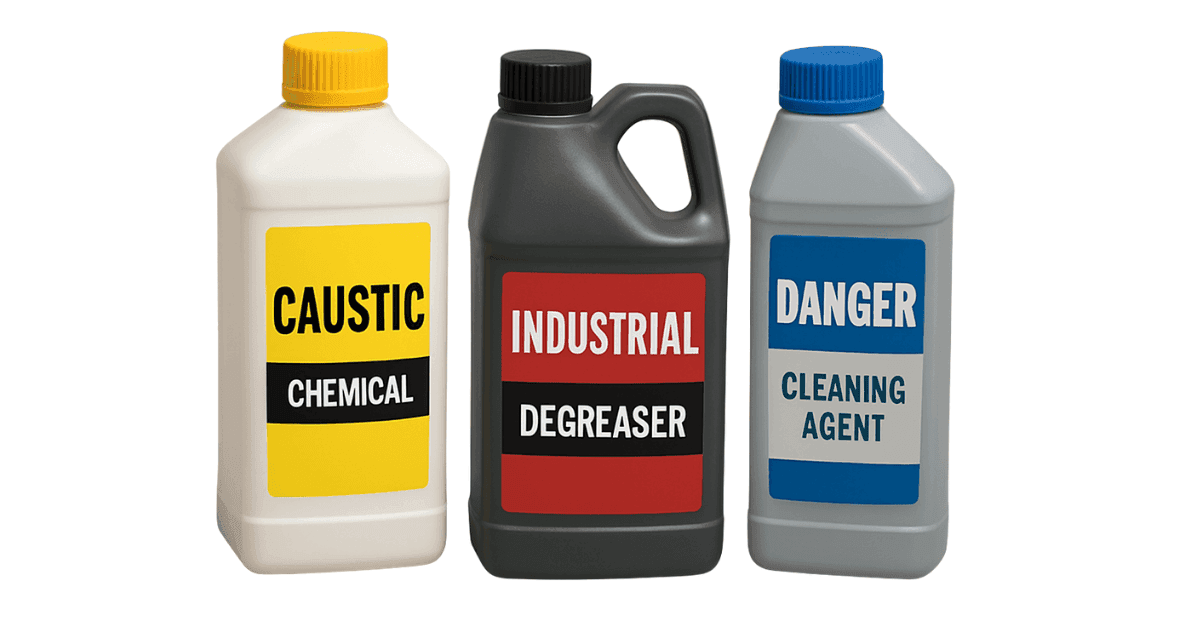
How to Choose the Right Plastic Bottle for Industrial Liquids
Choosing the right plastic bottle for industrial liquids requires careful evaluation of material compatibility, mechanical strength, sealing systems, and operating conditions. This guide outlines the key factors industrial buyers should consider.
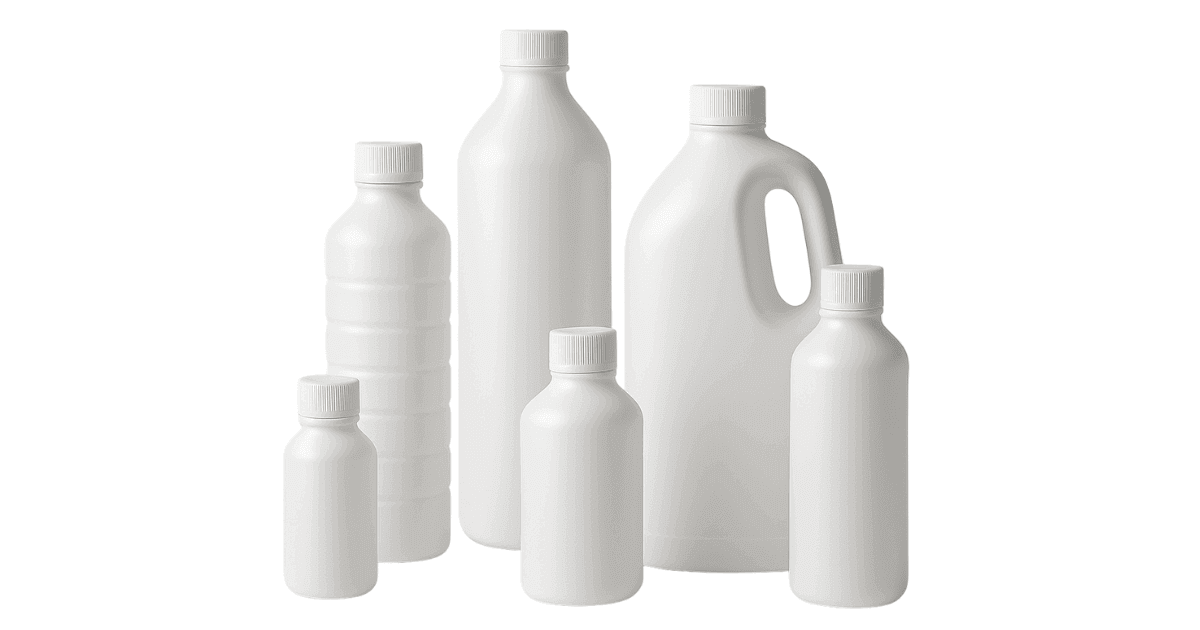
Chemical Resistant Plastic Bottles: Key Selection Criteria for Industrial Applications
Chemical resistant plastic bottles play a critical role in industrial packaging by ensuring safe storage and transport of aggressive formulations. This article outlines the key selection criteria buyers should consider for reliable chemical packaging.
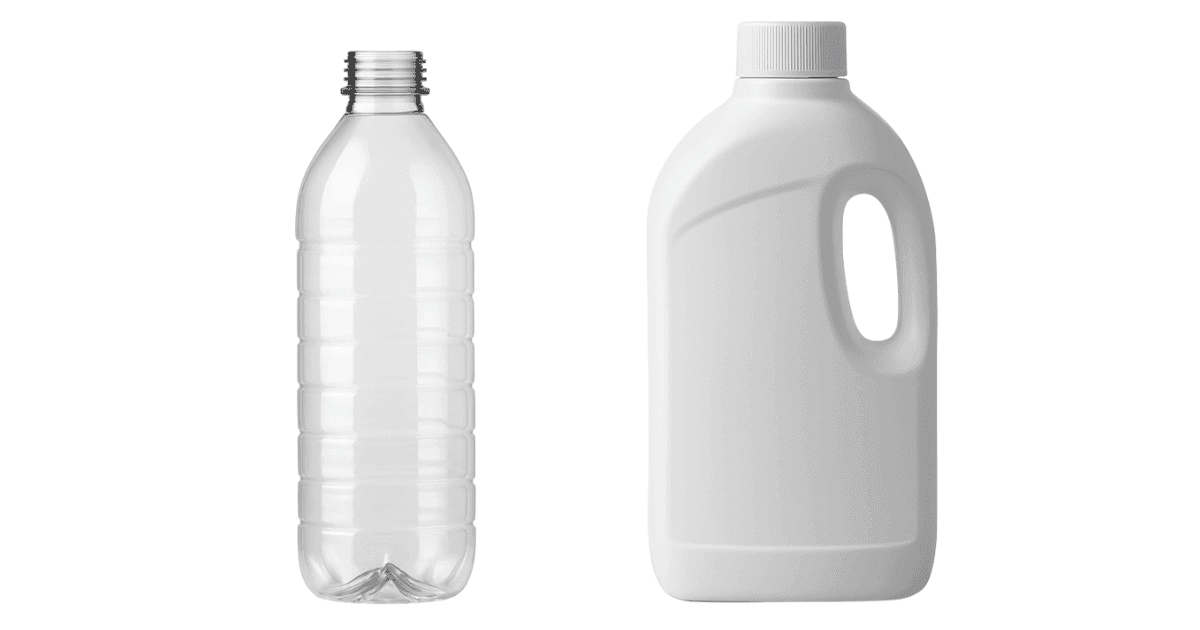
PET vs HDPE Bottles: Which One Is Better for Chemical Packaging?
PET and HDPE bottles are widely used in chemical packaging, but they differ significantly in chemical resistance, durability, and safety. This article compares both materials to help industrial buyers choose the right packaging solution.

HDPE Bottles: Applications, Advantages, and Industrial Use Cases
HDPE bottles are widely used in industrial packaging thanks to their chemical resistance, durability, and cost efficiency. This article explores key applications, advantages, and use cases across chemical, automotive, agricultural, and industrial sectors.